


























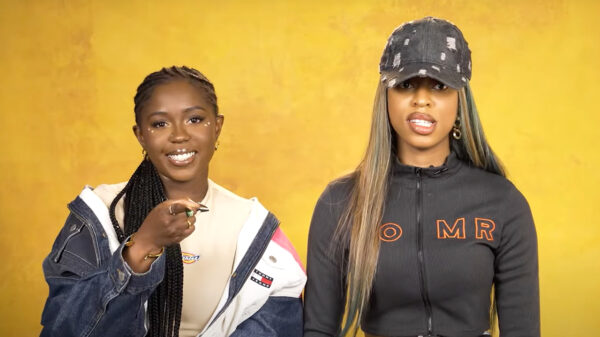


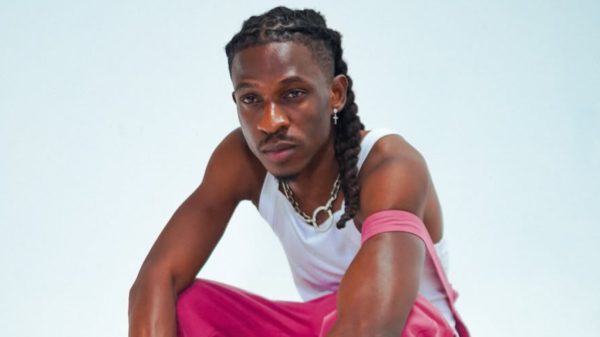
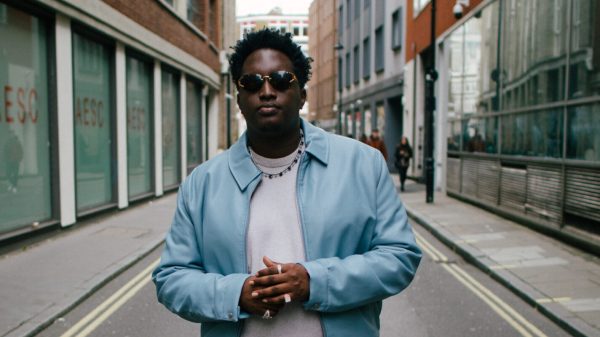
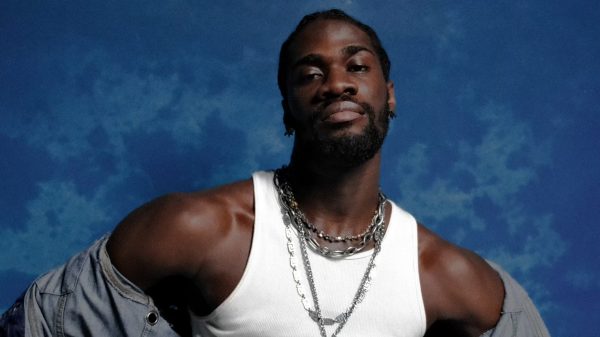





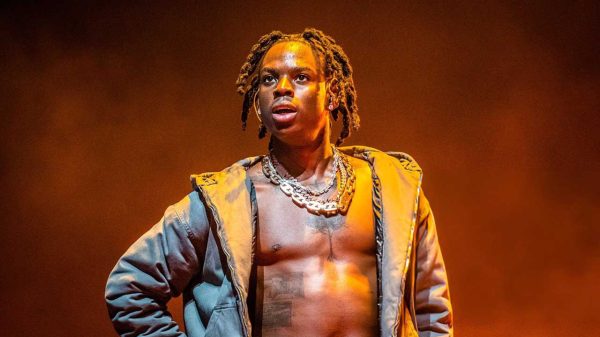


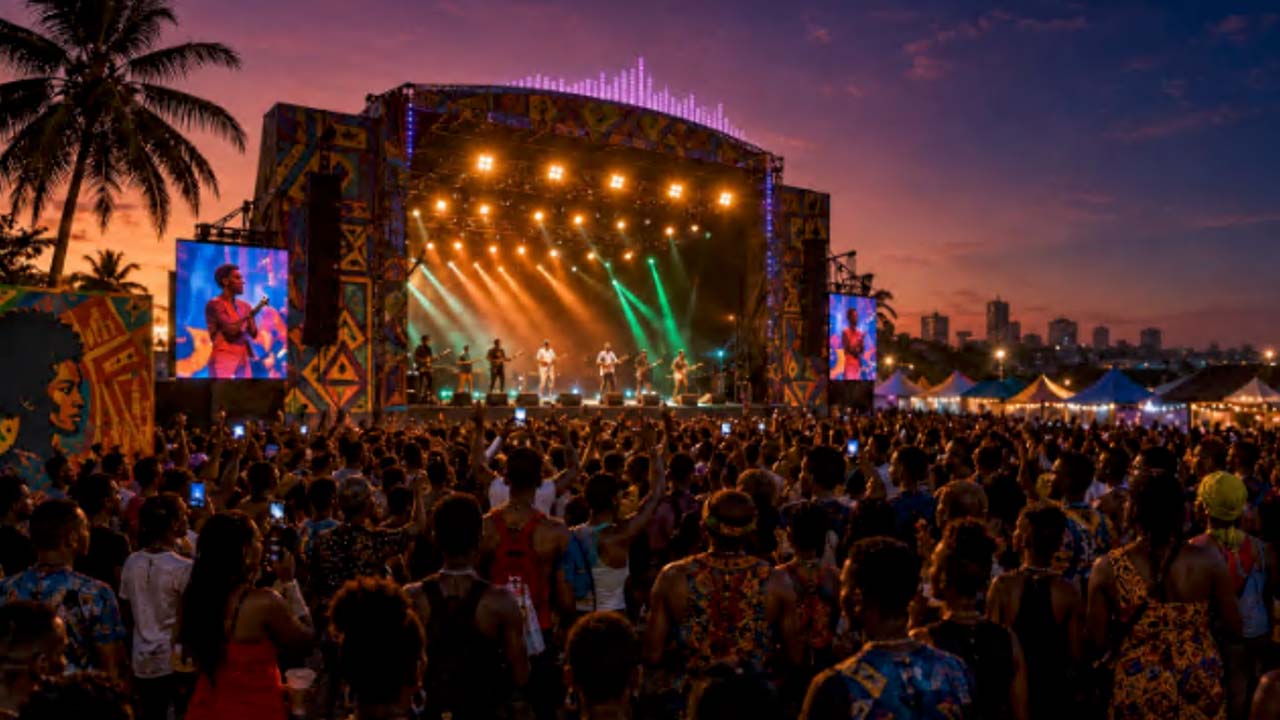
Music festivals have become powerful cultural events across West Africa. They influence streaming habits, social media conversations, fashion trends, and entertainment spending. They often determine which songs dominate playlists for months after the final performance.
The connection between music and digital entertainment has also become stronger. Many festival visitors engage with sports, gaming, and betting content through the same mobile platforms they use for music. Many users choose to login to 1xBet to access live sports content, event updates, and entertainment features within a single digital space.
A successful festival can change an artist’s career overnight and create trends that spread across the region within days. Fans arrive for the music, yet they often leave with new preferences, favorite performers, and fresh entertainment habits.
Why festivals have become entertainment trendsetters
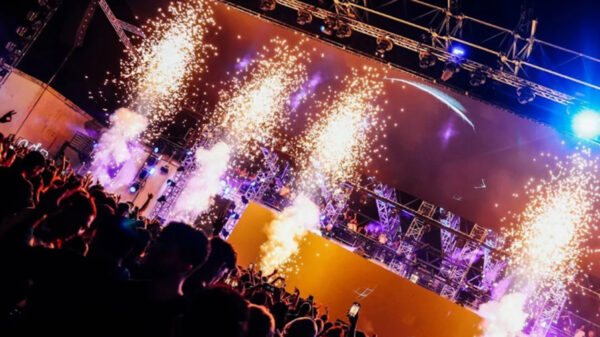
Music festivals now shape public attention more effectively than traditional media. A single headline performance can generate millions of online interactions within hours.
Across West Africa, major festivals help introduce emerging artists to wider audiences and often influence regional streaming charts.
Thousands of people record performances and post clips across social platforms, allowing festival moments to reach audiences far beyond the venue.
Streaming platforms usually see a surge after major events. Songs performed during headline sets often gain millions of additional plays. Industry analysts regularly track these spikes because they reveal changing audience preferences.
Several factors explain this influence:
- Festivals introduce new artists to large audiences.
- Social media amplifies memorable performances.
- Streaming services react quickly to rising demand.
The effect can last for months, and some artists achieve their biggest commercial success after a single standout festival appearance.
The economic power behind major events
Music festivals have become serious business. Organizers invest heavily in production, security, technology, and artist bookings.
Large festivals generate income through ticket sales, sponsorships, merchandise, food vendors, and digital partnerships. Some events attract tens of thousands of visitors during a single weekend.
Research from the global music industry shows that live music revenues continue to grow worldwide. The annual reports regularly highlight strong demand for live entertainment and music consumption.
Sponsors value festival audiences because they are highly engaged online and often influence broader market trends.
Money follows attention. Festivals capture plenty of both.
How festivals shape music consumption
Major music events encourage fans to discover new songs, follow emerging artists, and create playlists inspired by live performances.
Many of the region’s most popular songs gain momentum after being featured at large music festivals and live showcases.
A strong festival set often produces more impact than months of traditional promotion. Live music creates emotional connections that advertisements rarely achieve.
Many streaming charts reveal clear patterns after large events. Songs featured during popular performances frequently climb rankings within days. Festival recordings also attract millions of views online.
The process usually follows three stages:
- A performance gains attention during the event.
- Clips spread across social platforms.
- Streaming numbers increase sharply afterward.
This cycle has become a core part of modern music marketing, with artists and labels building campaigns around festival appearances.
Social media turns moments into trends
Social media allows standout performances to reach millions of people within minutes.
Short video platforms reward memorable moments. A surprise collaboration, a new song, or an unexpected guest can dominate online conversations for days.
Fans no longer wait for official footage. They publish content instantly. As thousands of attendees upload videos simultaneously, a festival can become the center of regional entertainment discussions before the event even ends.
Some performances achieve global visibility despite taking place far from traditional music markets. A single clip can reach millions of viewers and introduce new audiences to emerging artists.
That level of exposure was almost impossible fifteen years ago.
The connection between festivals and betting audiences
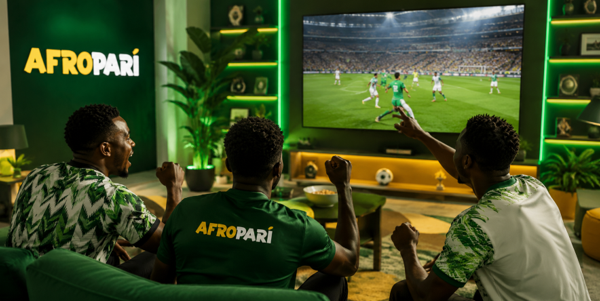
Entertainment audiences rarely focus on a single interest. Music fans often follow sports, esports, and other digital activities through the same devices and platforms.
Festival organizers increasingly work with technology companies, streaming services and entertainment brands, creating a network of services that audiences use throughout the day.
Betting operators pay attention to these audience movements. Festival visitors often belong to the same demographic groups that engage with sports content and live event coverage.
Data analytics helps entertainment and betting companies track audience engagement, viewing patterns, and trending events. Music festivals often generate spikes in online activity, providing insights that support marketing strategies, seasonal promotions, and audience targeting.
The connection becomes stronger during major sporting periods, when audiences actively switch between concerts, matches, and online content. Digital platforms increasingly combine streaming, live updates, community interaction, and entertainment services, creating new opportunities for engagement and brand visibility.
This trend reflects broader changes in digital behavior rather than direct links between music and betting activity.
Memorable festival moments that changed careers
Many artists have accelerated their careers through standout festival performances.
Events such as Afro Nation have demonstrated how major festivals can attract international attention and create new opportunities for artists across West Africa.
Unexpected collaborations often generate the strongest reactions. Fans enjoy seeing artists share a stage for the first time. These moments create excitement because they feel authentic and unpredictable.
Industry professionals frequently attend festivals searching for emerging talent. Record labels, promoters, and streaming representatives use these events to identify future stars.
A breakthrough performance can open doors to international tours, sponsorship agreements, and commercial partnerships. For some artists, one evening becomes a turning point.
The audience may only see the show. Industry insiders often see business opportunities.
What festival growth means for entertainment
Music festivals continue to influence music discovery, audience behavior, brand partnerships, and digital engagement.
Technology will likely strengthen this role. Livestreams already allow remote viewers to participate in events. Virtual experiences continue to improve each year.
The future points toward closer links between live entertainment and digital platforms. Fans increasingly expect quick access to music, video content, social interaction and event coverage within one connected digital space. As connected experiences evolve, festivals will remain a major force shaping entertainment trends and audience attention.
The music may be the main attraction, yet the ripple effects extend far beyond the stage.
